ООП във функционален език
Обектно-ориентирано програмиране
?
Обектно-ориентирано програмиране (C++, ООП, 1 курс)
- Изброими типове (enums)
- Четене и писане в текстови и двоични файлове
- Класове, обекти, методи, конструктори, селектори (getter-и) и мутатори (setter-и)
- Rule of 3 - копиращ конструктор, оператор =, деструктор
- Статични полета и методи
- Изключения (exceptions)
- Предефиниране на оператори
- Наследяване и композиция
- Абстрактни класове
- Полиморфизъм
- Множествено наследяване
- Шаблони за дизайн - Singleton, Factory, Builder
- Шаблони (Templates)
“Кои са 4-те принципа на ООП-то?” (C++, ООП, 1 курс)
- Енкапсулация
- Абстракция
- Наследяване
- (Преизползване)
- Полиморфизъм
Кой е това?

Кой е това?

Alan Kay
предлага термина ООП
(c. 1967)
ООП?
“I made up the term ‘object-oriented’, and I can tell you I didn’t have C++ in mind.” – Alan Kay
Dr. Alan
Kay on the Meaning of
“Object-Oriented Programming”
“I thought of objects being like biological cells and/or individual computers on a network, only able to communicate with messages… OOP to me means only messaging, local retention and protection and hiding of state-process, and extreme late-binding of all things.” – Alan Kay
Забележете, че не се споменават класове, наследяване и др.
В основата на ООП – съобщенията
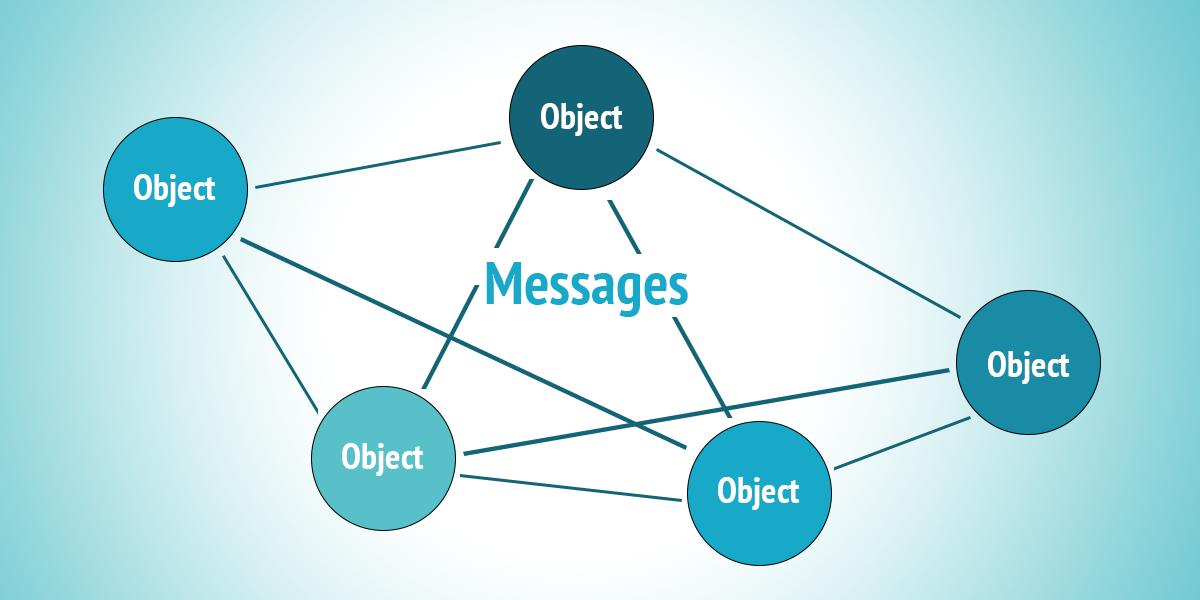
- Множество познати ни ООП принципи (като SOLID) се фокусират върху практики за дизайн на един клас
- ООП всъщност е:
- система от обекти,
- комуникиращи помежду си
- Добър ООП дизайн обхваща цялостната комуникация и участващите обекти
- В познатите езикови ни конструкции съобщения са методите
- Алън Кей прави паралел с биологичните организми
- система от самостоятелни клетки и органи,
- комуникиращи си чрез хормони, нервни сигнали, messengerRNA и др.
Енкапсулация
- Не е просто getter-и и setter-и
- Контрол над това как външният свят може да достъпва или модифицира данните
- Обектите не са структури от данни
- Енкапсулацията при обектите се отнася до това, че скриват своето състояние и структурите, които използват, от другите обекти
- Обектите си взаимодействат единствено през ясен протокол (интерфейс/възможни съобщения) - поведение на обекта
Late Binding
- Конкретното поведение, което ще се изпълни, се разбира едва по време на изпълнение
- Подтиповия полиморфизъм е един аспект на late binding
- В по-голям мащаб: подмяна на части от системата без да се спира цялата система
ООП + ФП?
- ООП не предполага странични ефекти
- Може да се използва по immutable и функционален подход
“So: both OOP and functional computation can be completely compatible (and should be!). There is no reason to munge state in objects, and there is no reason to invent “monads” in FP. We just have to realize that “computers are simulators” and figure out what to simulate.” – Alan Kay
ООП във функционален език:
- Структура и модулярност
- Контекст (в който са валидни функциите)
- Подтипов полиморфизъм и late binding
Дефиниране на клас
- Параметри на клас – конструктор
- Членове
- Модификатори на достъп
Да дефинираме клас Rational
Дефиниране на обект
apply методи
Всеки обект с apply метод може да бъде използван като
функция:
apply методи
Обекти-другарчета (придружаващи/companion обекти)
- В Scala класовете нямат статични методи
- Вместо това помощни функции могат да бъдат дефинирани в техните придружаващи обекти 🤝
- Обект придружава клас, ако
- е дефиниран със същото име като класа и
- се намира в същия файл
Обекти-другарчета (придружаващи/companion обекти)
class Rational:
  // ...

object Rational:
  val Zero = Rational(0) // използва apply, дефиниран долу

  def apply(n: Int, d: Int = 1) = new Rational(n, d)

  def sum(rationals: Rational*): Rational =
    if rationals.isEmpty then Zero
    else rationals.head + sum(rationals.tail)

Rational.sum(Rational(1, 2), Rational(5), Rational(3, 5)) // не е нужно да пишем new
Придружаващи обекти
List(1, 2, 3) се свежда до
List.apply(1, 2, 3),
което е функция с променлив брой
параметри
Придружаващи обекти
Имат достъп и до private/protected членовете:
implicit конверсия
implicit конверсия
implicit def intToRational(n: Int): Rational = Rational(n)

Rational(2, 3) + 1 // Rational(5, 3)
1 + Rational(2, 3)  // Rational(5, 3), също работи
Преобразува се до:
Когато компилаторът не открие метод с очакваните име и
параметри
решава да потърси за възможна имплицитна конверсия към
тип,
който има този метод
implicit конверсия – ред на търсене
- В текущия scope (чрез текущ или външен блок или чрез import)
- В продружаващия обект на който и да е от участващите типове
Още за implicit конверсии
- Добре е да се ограничават
- Изискват
import scala.language.implicitConversions - Препоръчително е използването на конверсии с по-конкретни типове пред по-общи
X-Ray от IntelliJ 2023.3
- Показва цялата липсваща типова информация с един shortcut – типове на променливи, функции, междинни изрази и други
- През него IntelliJ ни показва също използваните implicit конверсии
- Shortcut: натиснете Ctrl (или Cmd на Mac) два пъти и задръжте
- През него може да се навигира към използваната функция за конверсия
- Могат да се включват за постоянно
чрез
Ctrl/Cmd + Alt + Shift + X
case класове
- неизменим value клас
- всички изброени параметри автоматично стават
valполета - автоматично генериране на:
придружаващ обект с
applyequals,hashCode,toStringcopy– позволява инстанциране на нова версия, базирана на съществуващатаоще няколко удобства – за тях по-натам
Влагане на case класове
Поведение на case класове
Универсален apply
В Scala 3 автоматично се генерира придружаващ обект с apply за всеки клас (не само за case класовете):
Абстрактни типове – trait
Абстрактни типове – trait
Uniform Access Principal
UAC – интерфейсът не се променя от това дали дадено име е
имплементирано чрез ичисление (def)
или чрез съхранена
стойност (val)
Uniform Access Principal и case класове
import клаузи
import клаузи
import клаузи
Могат да са във всеки scope, не е нужно да са в началото на файла:
Автоматично във всеки файл се включват следните import-и:
export клаузи
Позволяват делегация:
object IntUtils:
  def twice(n: Int): Int = 2 * n
  def squared(n: Int): Int = n * n

object DoubleUtils:
  def twice(n: Double): Double = 2 * n
  def squared(n: Double): Double = n * n

object MathUtils:
  export IntUtils.*
  export DoubleUtils.*

MathUtils.twice(2) // 4
MathUtils.twice(2.0) // 4.0- export-натите имена стават членове на обекта
- синтактично е със същия формат като
import
export клаузи
class Scanner:
  def scan(image: Image): Page = ???
  def isOn: Boolean = ???

class Printer:
  def print(page: Page): Image = ???
  def isOn: Boolean = ???

class Copier:
  private val scanner = new Scanner
  private val printer = new Printer

  export scanner.scan
  export printer.print

  def isOn = scanner.isOn && printer.isOn

val copier = new Copier
val image = ???
val copiedImage = copier.print(copier.scan(image))

image == copiedImage // true, hopefully :D
Изброени типове
Extension Methods
- Добавяне на методи към съществуващи типове
- Само в текущия scope
Extension Methods
Extension Methods
Могат да бъдат overload-вани,
import-ват се по името на
метода:
Extension Methods
Търсене на extension методи –
точно като при implicits
- В текущия scope (чрез текущ или външен блок или чрез import)
- В продружаващия обект на който и да е от участващите типове
Extension методи в придружаващ обект
Extension Methods в Scala 2
- Scala 2 също позволява добавяне на методи
- Използва се механизма за implicit конверсия
- Все още се среща масово в библиотеките за
Scala
(независимо от версията)
Extension Methods чрез implicit
(стар подход от Scala 2)
Extension Methods чрез implicit
(стар подход от Scala 2)
implicit class EnrichedInt(val n: Int) extends AnyVal:
  def squared = n * n
  def **(exp: Double) = math.pow(n, exp)

3.squared // 9
2 ** 3 // 8.0
Тук не е нужен
import scala.language.implicitConversions
Примери от стандартната библиотека
DSL за тестове
Когато типът е твърде общ?
Type Safety чрез opaque типове
opaque type PersonId = String
object PersonId:
  def apply(id: String): PersonId = id
  extension (personId: PersonId) def value: String = personId

opaque type LocationId = String
object LocationId:
  def apply(id: String): LocationId = id
  extension (locationId: LocationId) def value: String = locationId

def createAddressRegistration(person: PersonId, location: LocationId) = ???- Компилаторът счита
PersonIdиLocationIdкато напълно различни типове- с изключение в scope-а, в който са дефинирани – там те са взаимозаменяеми
- Runtime и двете се представят чрез типа
String - Това осигурява type safety за ползвателите на opaque типовете
- В Scala 2 подобно поведение се постига чрез
AnyValкласове
Opaque типовете могат да дефинират операции
Типизиране – съвместимост на типове
- Номинално – типове се проверяват за съвместимост по
тяхното име (и по явна релация с други имена)
- Аз съм бухал, защото са ми казали, че съм бухал
- Аз като бухал съм птица, защото всички бухали са птици
- “B наследява A”
- Структурно – съвместимост на типове се определя по
структурата на обекта (по неговото поведение)
- Аз съм бухал, защото гукам като бухал и защото мога да летя
- Аз като бухал съм птица, защото мога да летя
- “B има същите методи (т.е. същата структура) като A”
Структурно типизиране в Scala
Структурно типизиране в Scala
case class Eagle(name: String):
  def flyThrough(location: String): String =
    s"Hi, I am old $name and I am looking for food at $location."

case class Owl(age: Int):
  def flyThrough(location: String): String =
s"Hi, I am a $age years old owl and I am flying through $location. Hoot, hoot!"Типова алгебра
Scala 3 добавя сечение (&) и обединение
(|) на типове
Сечение на типове (&)
trait LovingAnimal:
  def name: String
  def hug = s"A hug from $name"

case class Owl(name: String, age: Int):
  def flyThrough(location: String): String =
    s"Hi, I am a $age years old owl and I am flying through $location. Hoot, hoot!"

val lovelyOwl: Owl & LovingAnimal = new Owl("Oliver", 7) with LovingAnimal
lovelyOwl.hug // A hug from Oliver
lovelyOwl.flyThrough("Plovdiv") // Hi, I am a 7 years old owl and
                                // I am flying through Plovdiv. Hoot, hoot!
Обединение на типове (|)
Обединение на типове (|)
def toInteger(value: String | Int | Double): Int = value match
  case n: Int => n
  case s: String => s.toInt
|def toInteger(value: String | Int | Double): Int = value match
| ^^^^^
| match may not be exhaustive.
|
| It would fail on pattern case: _: DoubleОбединение на типове (|)
The Expression Problem
The goal is to define a datatype by cases, where one can add new cases to the datatype and new functions over the datatype, without recompiling existing code, and while retaining static type safety (e.g., no casts).
The Expression Problem (алтернативно)
- Добавяне на нов тип без промяна на съществуващия код
- Добавяне на нова операция без промяна на съществуващия код
ООП подход
ФП подход
trait Shape
case class Circle(r: Double) extends Shape
case class Rectangle(a: Double, b: Double) extends Shape

def area(s: Shape): Double = s match
  case Circle(r) => math.Pi * r * r
  case Rectangle(a, b) => a * b
case класовете могат да бъдат използвани в pattern
matching
Добавяне на операция във ФП – лесно
Добавяне на операция в ООП – трудно, промяна на всички класове
Добавяне на тип в ООП – лесно
Добавяне на тип във ФП – трудно
case class Square(a: Double) extends Shape
def area(s: Shape): Double = s match
case Circle(r) => math.Pi * r * r
case Rectangle(a, b) => a * b
case Square(a) => a * a
def circumference(s: Shape): Double = s match
  case Circle(r) => 2 * math.Pi * r
  case Rectangle(a, b) => 2 * (a + b)
case Square(a) => 4 * aThe Expression Problem
- Всеки език е добре да предоставя изразни средства и за двата проблема
- ООП подходът е подходящ за типове с предварително неизвестен брой случаи и малко основни операции
- Функционалният подход е подходящ за типове с предварително фиксирани случаи
ООП дизайн?
ООП дизайн – скрити домейн обекти
def buyTea(cc: CreditCard, paymentService: PaymentService): Tea =
  val teaCup = new Tea(...)
  paymentService.charge(cc, teaCup.price)
teaCupОтлагане на страничния ефект =>
- скрити домейн концепции изплуват на яве
(
Chargeобект) - моделираме дейности като данни
- които допълнително можем да трансформираме
функционално
купуване на n кафета и събиране на Charge-ове
анализ на Charge-ове от различни потребители
- по-добра тестваемост
Domain-Driven Design